
Wulfmere

A strategy RPG that remembers.

Strategy games used to be fun. Wulfmere rebuilds the genre from scratch — with consequence-driven stories, a living economy, evolving relationships, and no pay-to-win.

  • Single-player
  • iPhone
  • No ads
  • No in-app purchases
  • Plays offline

Mercia · the ninth century

Begin with little more than your time, energy and judgment.

Wulfmere is a single-player medieval strategy RPG built around meaningful choices — not recycled systems, forced ads or pay-to-win shortcuts.

You take up the life of one villager in a small riverside settlement. Decide how to train, trade, build and whom to trust. A carefully written story changes with your decisions, and every advantage has a cost.

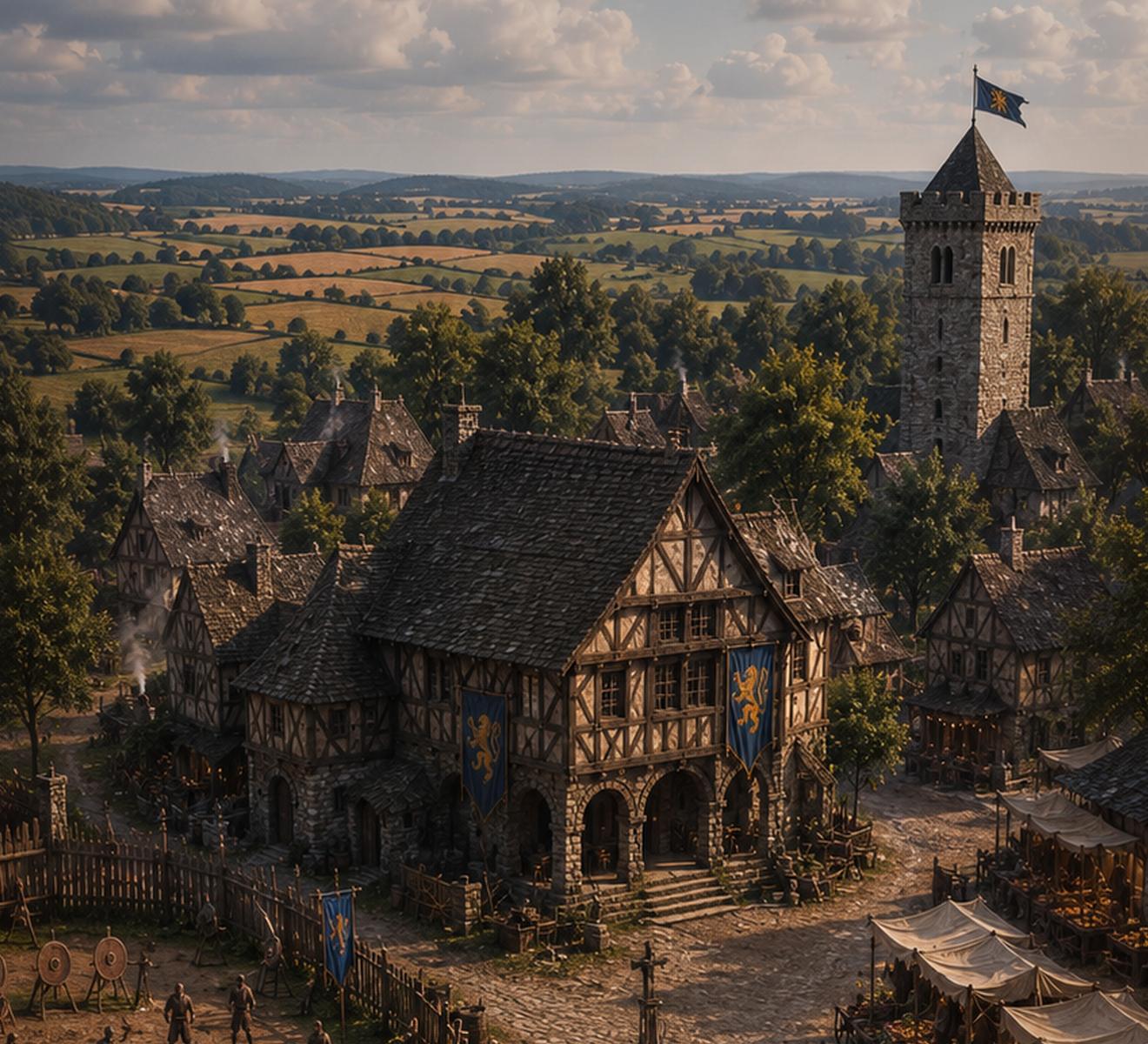
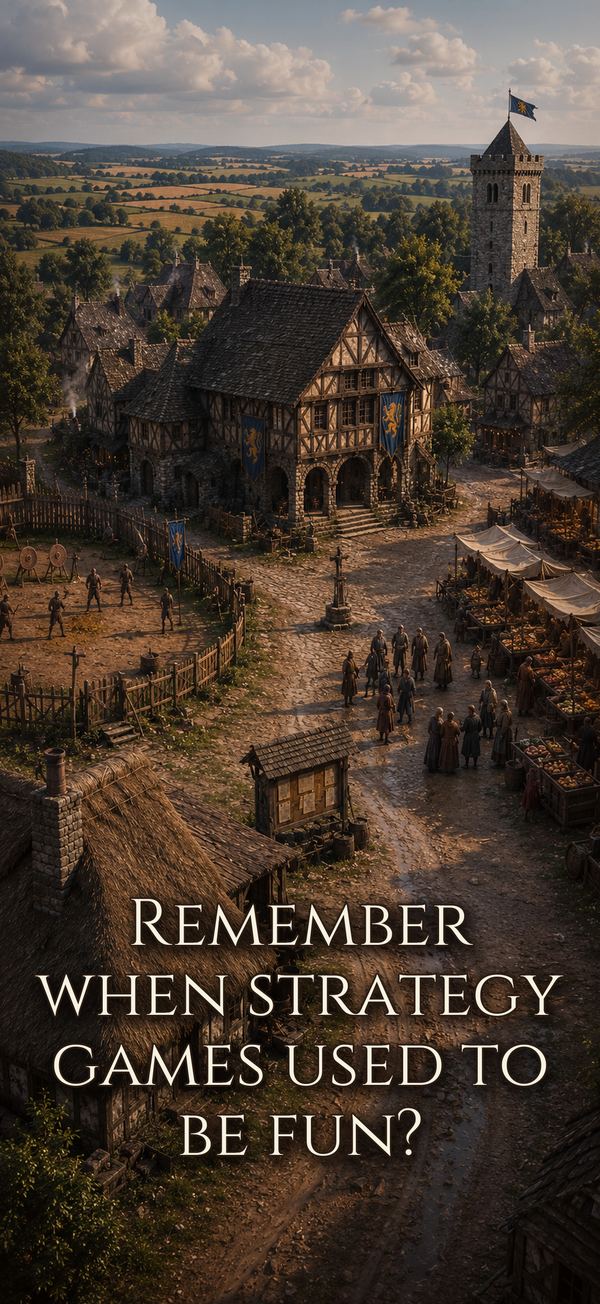
Wulfmere village from above — Remember when strategy games used to be fun?
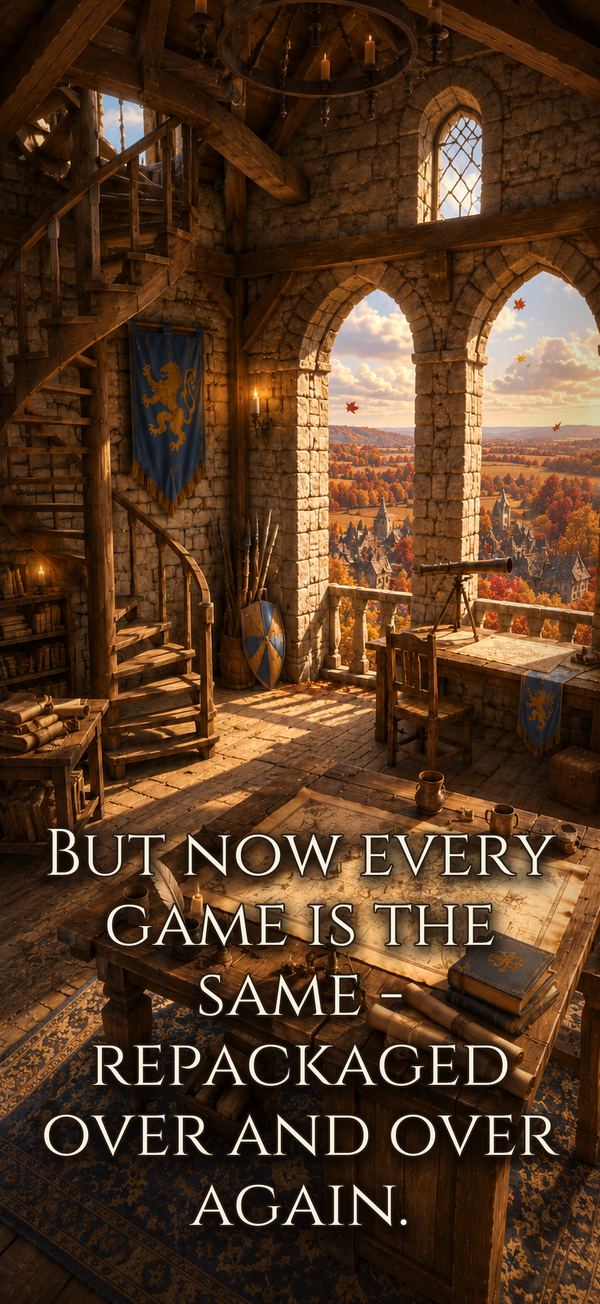
A tower study at sunset — But now every game is the same, repackaged over and over again.
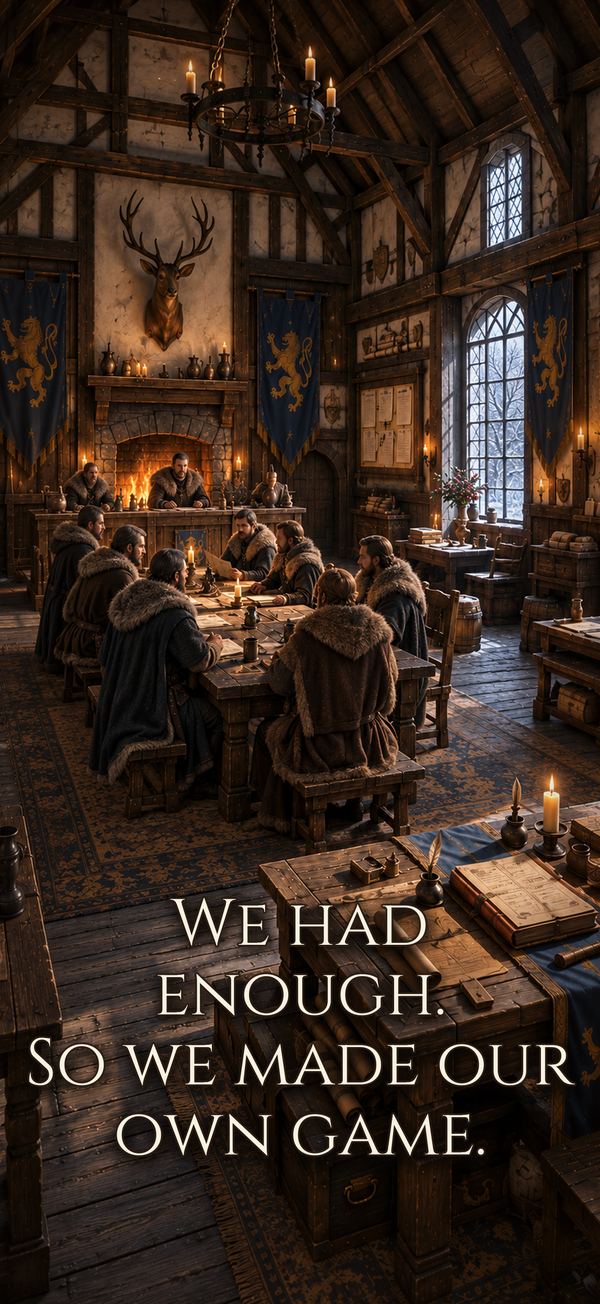
The great hall council — We had enough. So we made our own game.
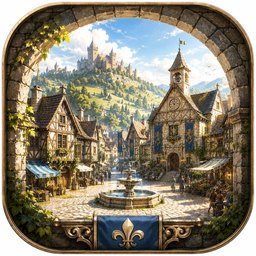
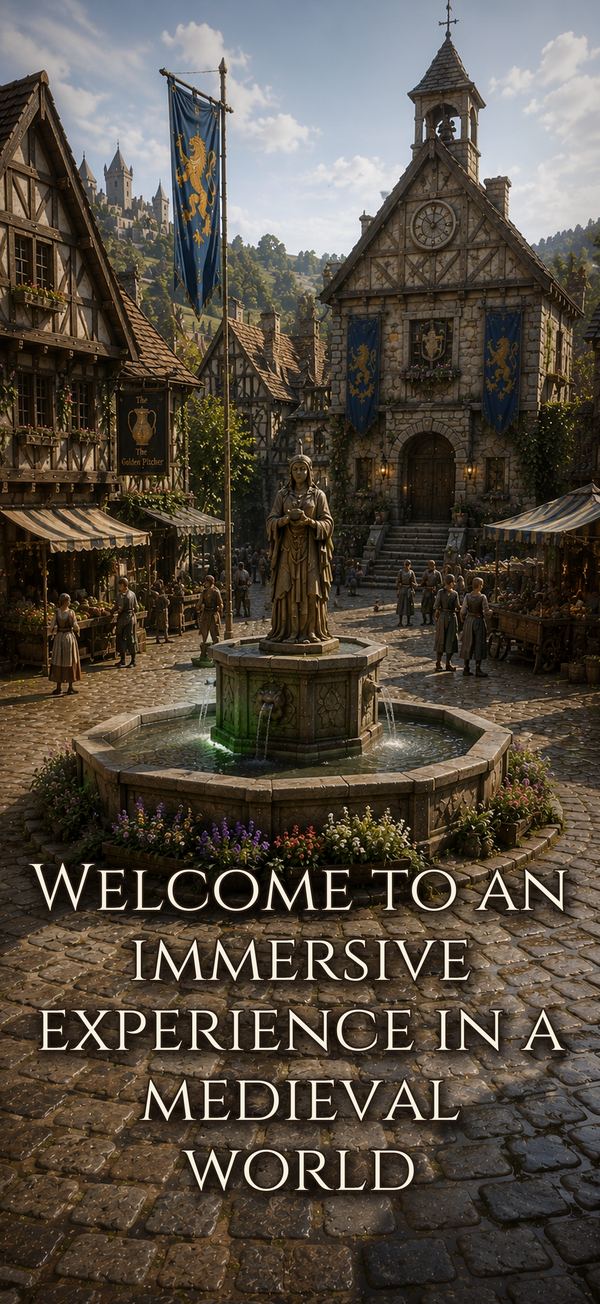
The village square and fountain — Welcome to an immersive experience in a medieval world.
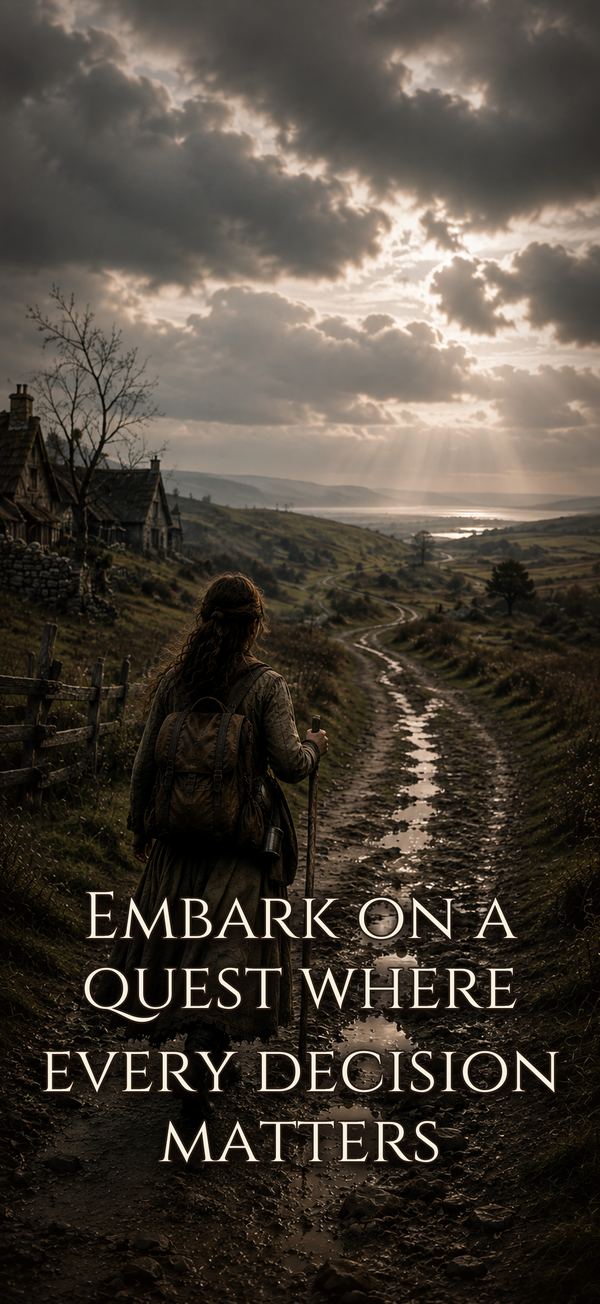
A traveller on a muddy road — Embark on a quest where every decision matters.
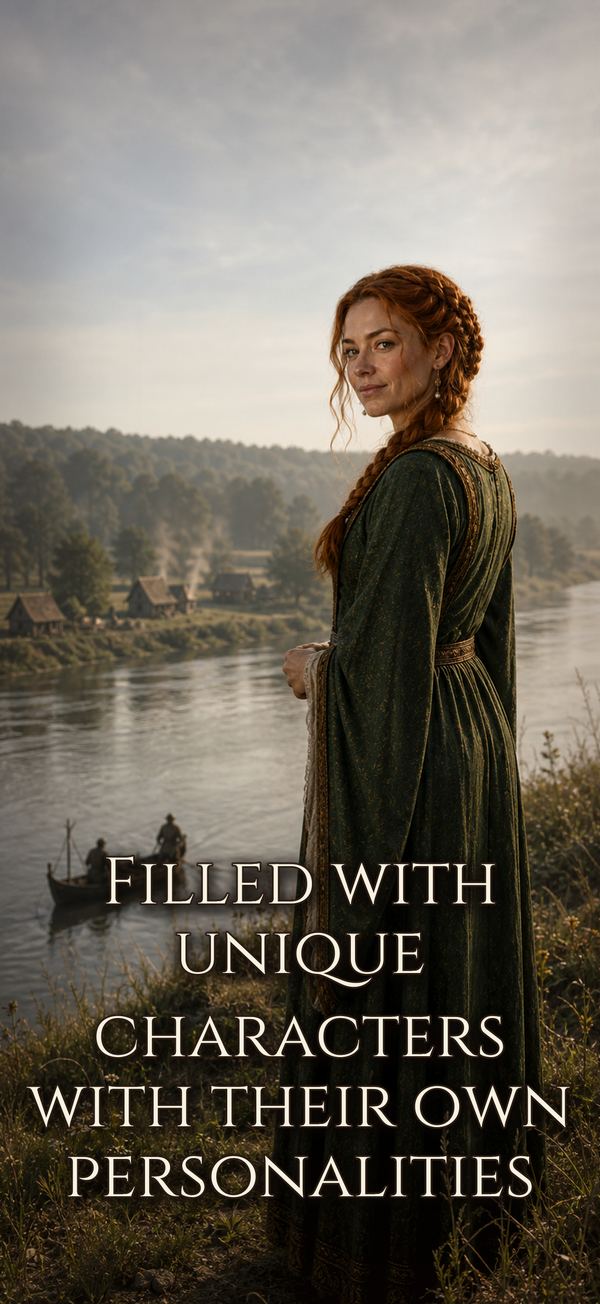
A villager by the river — Filled with unique characters with their own personalities.
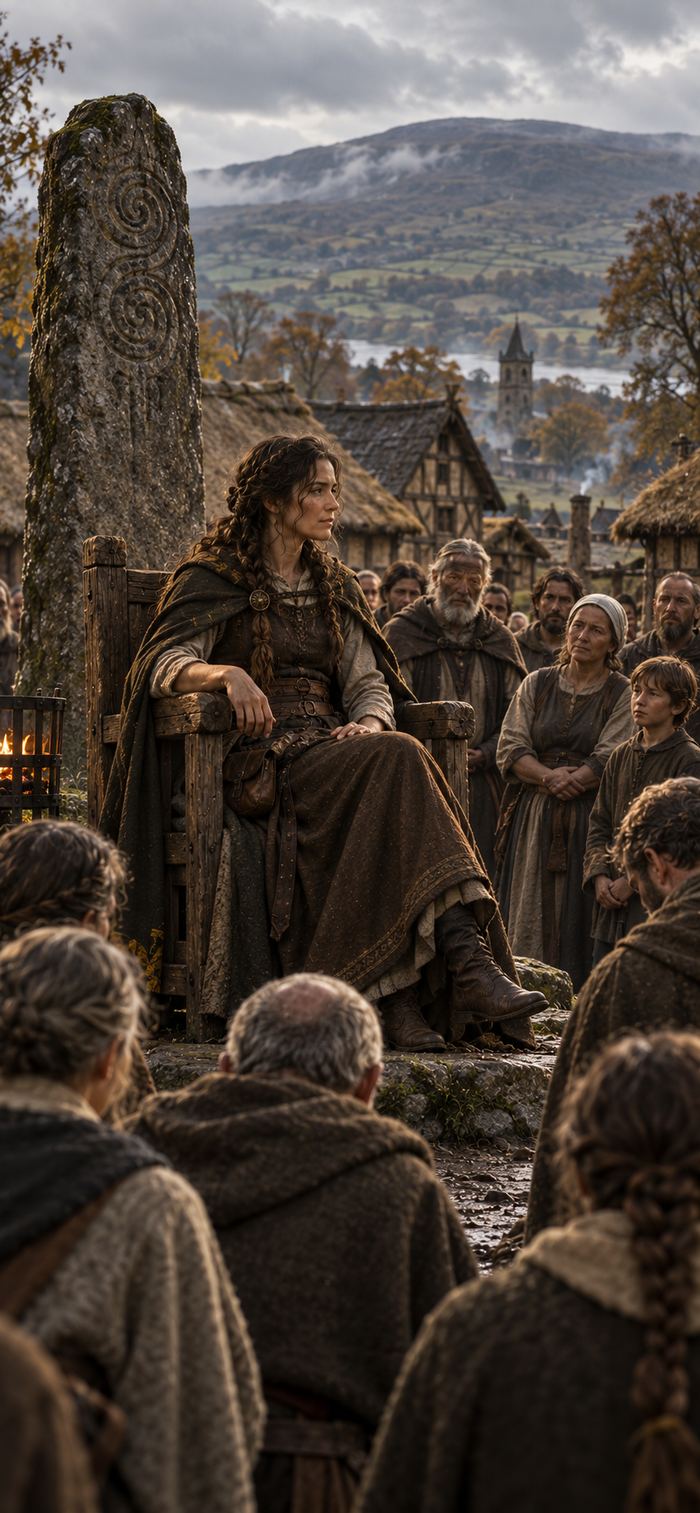
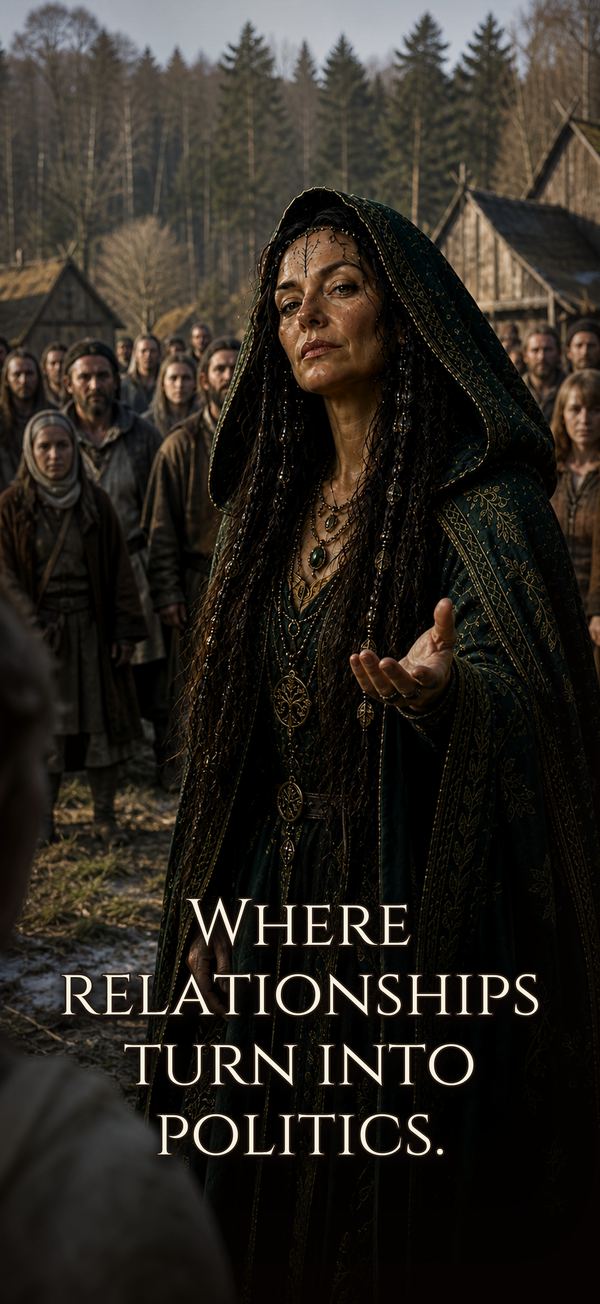
A hooded woman addressing a crowd — Where relationships turn into politics.
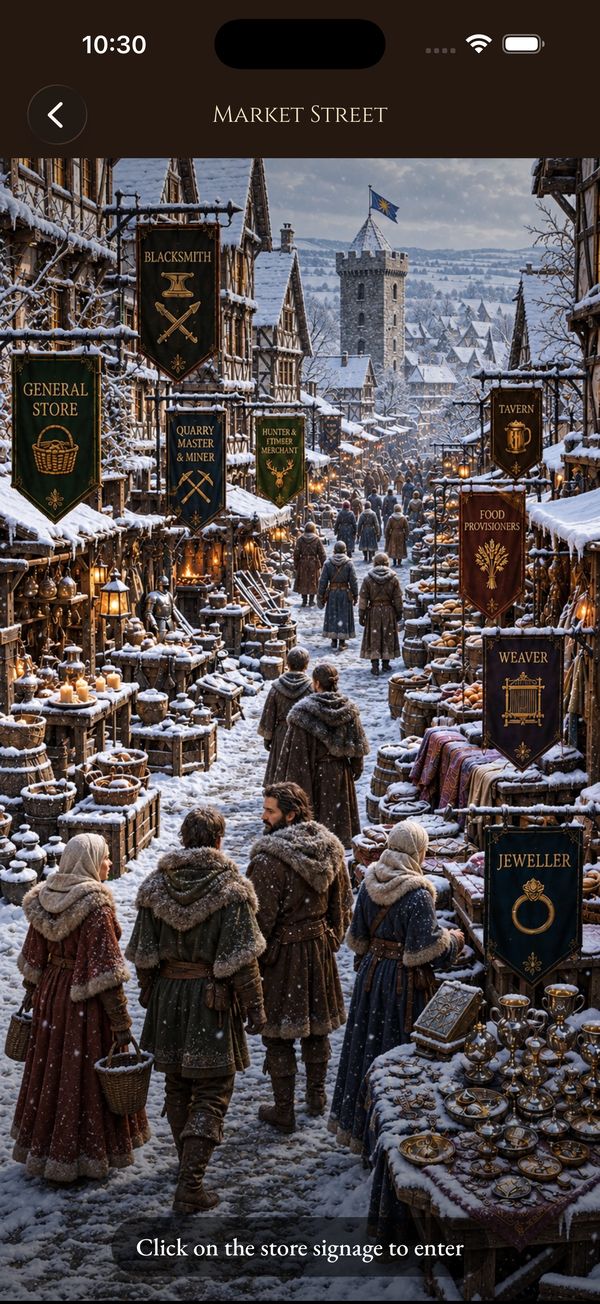
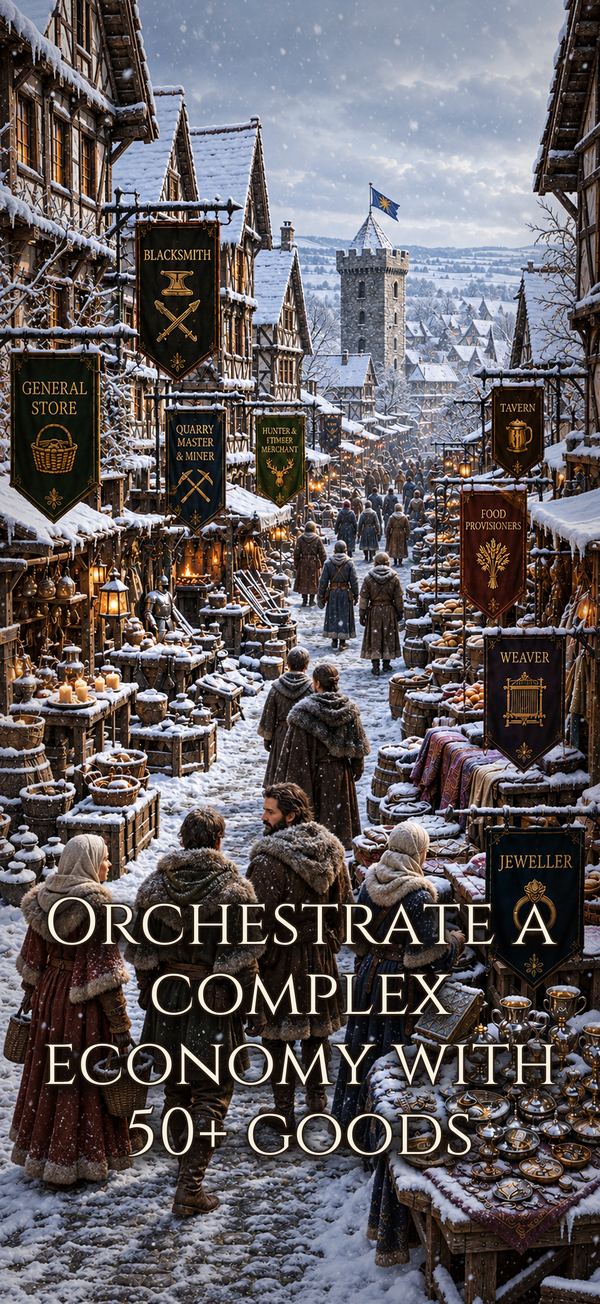
Market Street in winter — Orchestrate a complex economy with 50+ goods.
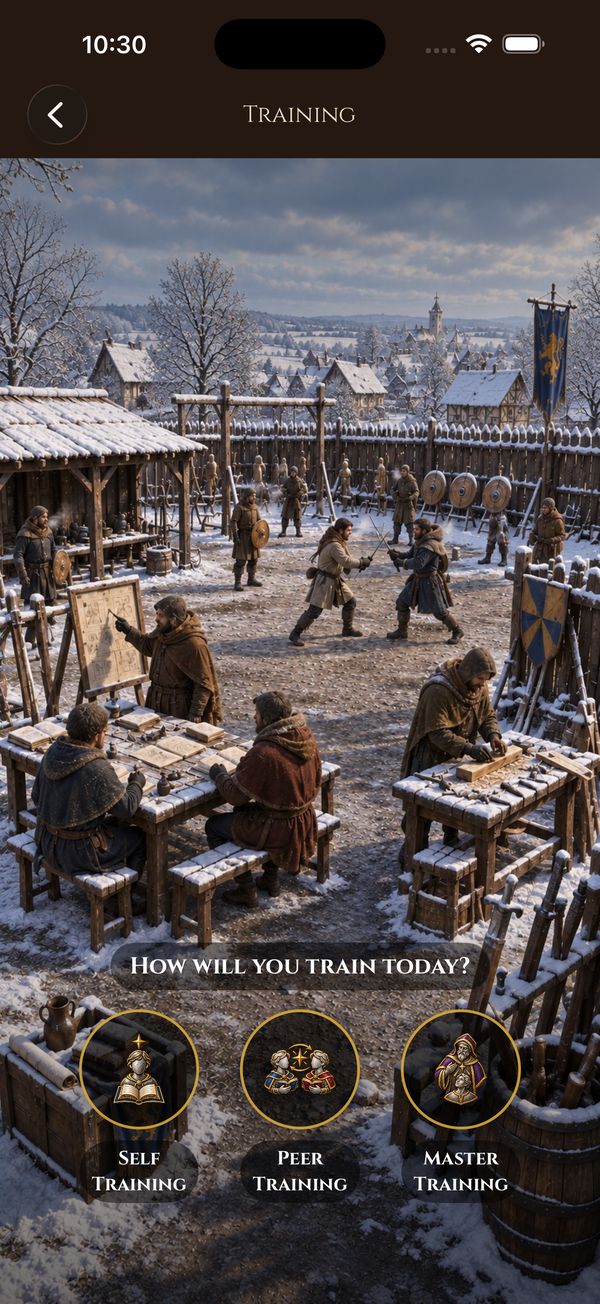
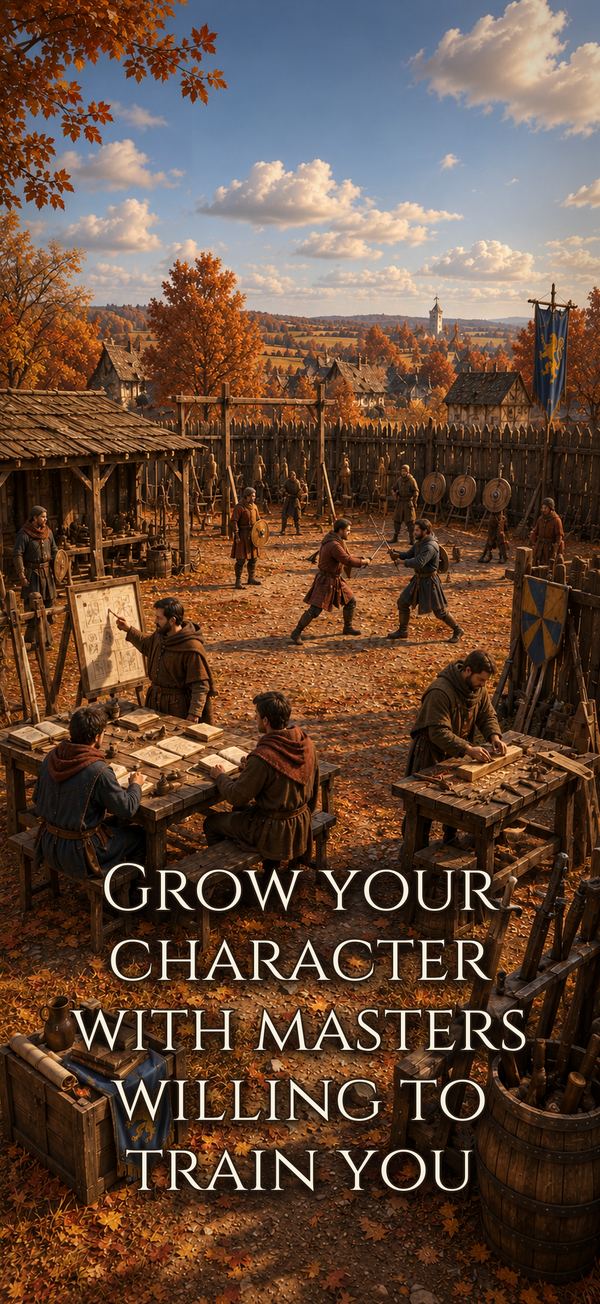
The training yard in autumn — Grow your character with masters willing to train you.
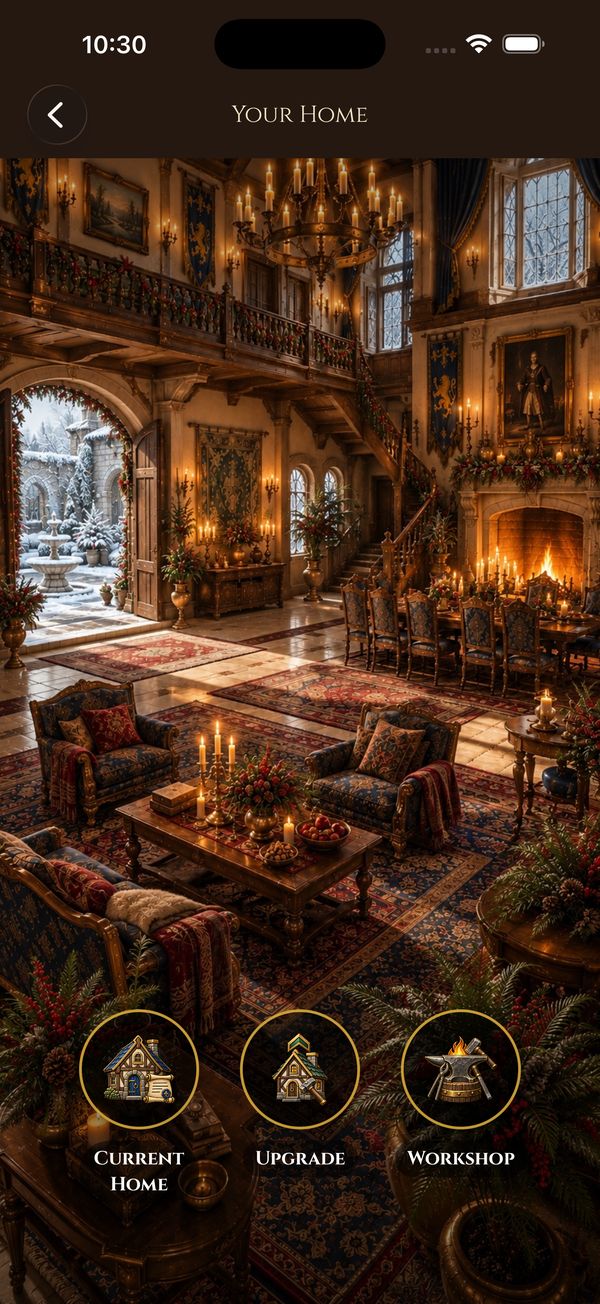
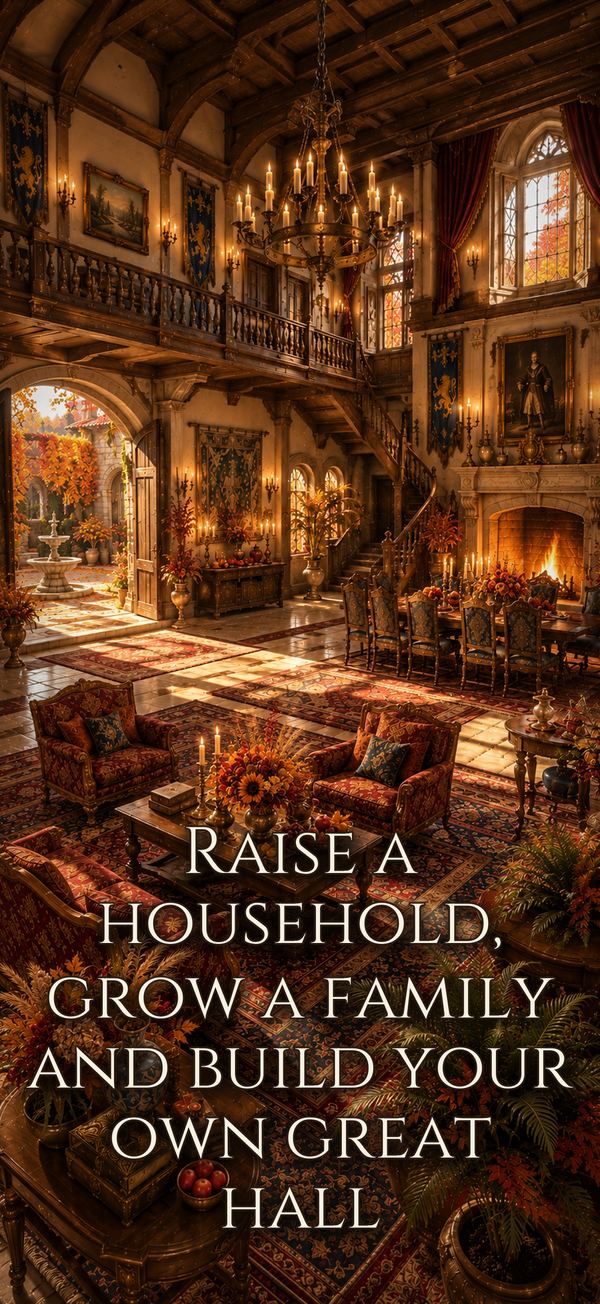
A great hall interior — Raise a household, grow a family and build your own great hall.

Scroll to see more of the game.

14villagers to play
66quests in six chapters
50+goods to trade
13endings to earn

Inside the village

Every system is connected. Every choice is remembered.

Every decision has consequences.

One story, told across 66 quests and six chapters. Each quest sets a scene and asks you to choose — and every option weighs what it costs against what it gains.

  • Choices decide which masters favour you and which villagers stand with you.
  • Uncover five buried truths about the village, in order.
  • You can’t please everyone. The game doesn’t pretend you can.
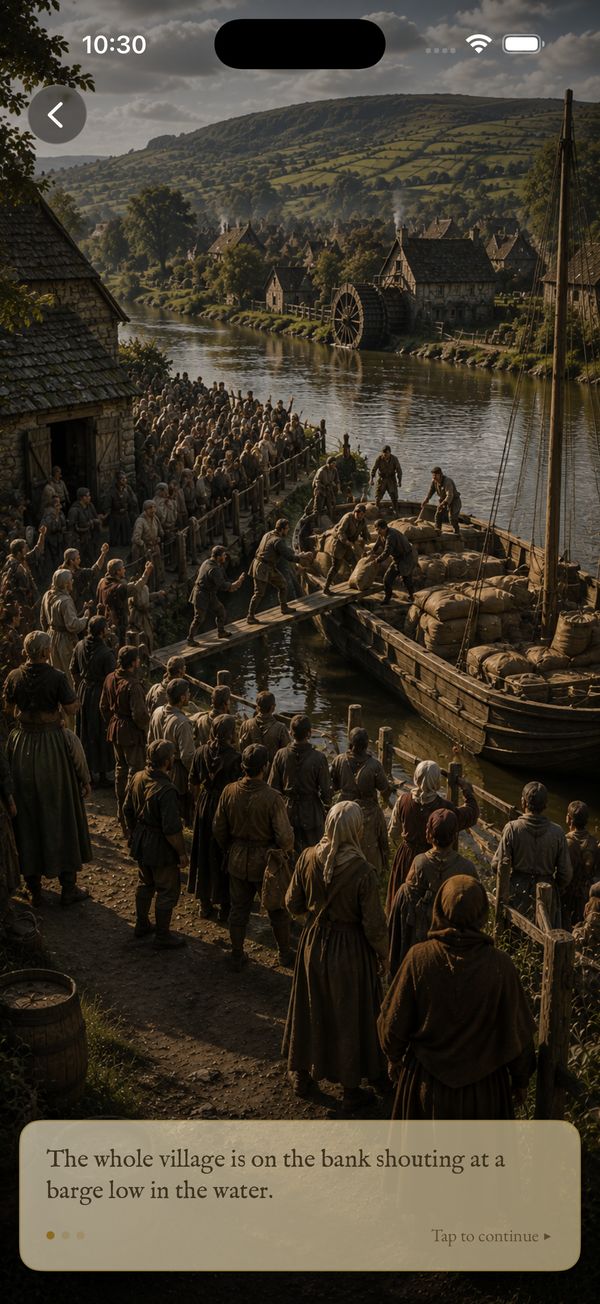
A quest scene in Wulfmere: the whole village on the riverbank as a barge rides low in the water.

A living economy of more than 50 goods.

Grain and timber become flour and tools; linen and tapestry fetch more; spices, silk and wine arrive from far away. Market Street changes with the seasons, and so do prices.

  • Balance time, energy, silver and scarce resources.
  • Craft, trade and gift your way to an advantage.
Market Street in winter, with shop signs for the blacksmith, weaver and jeweller.

Relationships turn into politics.

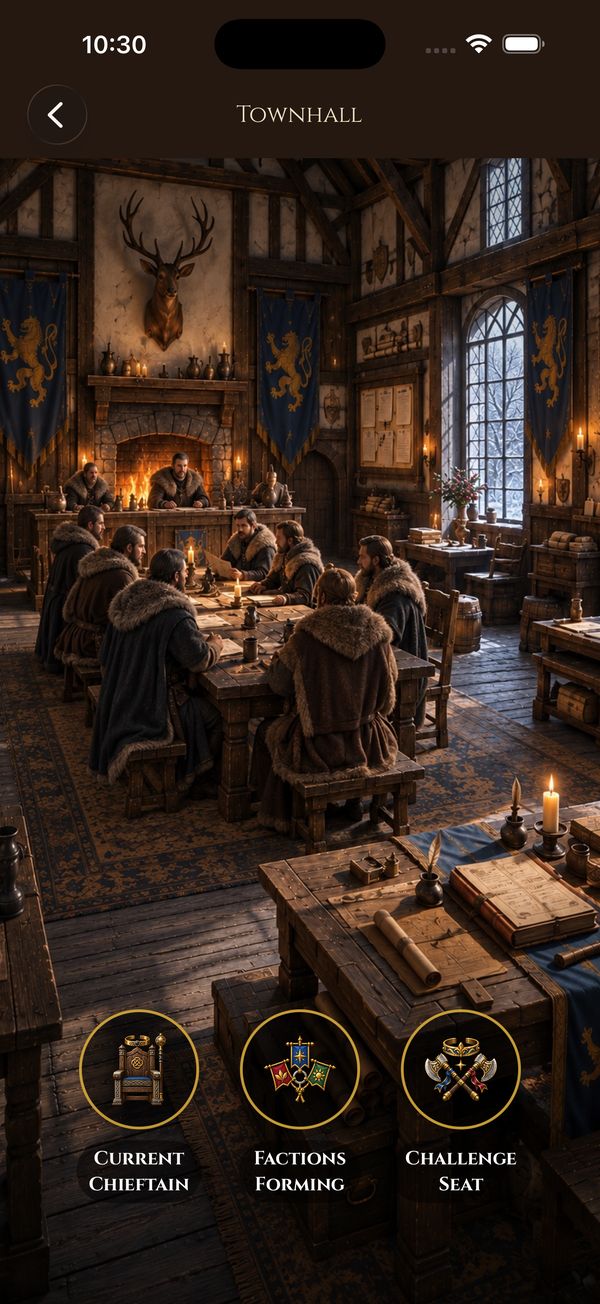
Every gift, favour and slight shifts who will stand behind whom. Win enough support and you can challenge for the chieftain’s seat at the townhall — or raise up an ally and rule from beside it. Whoever holds the seat proclaims the dictats the whole village lives under.

The townhall, with options for the current chieftain, forming factions and challenging for the seat.

Grow with purpose.

Fourteen attributes, from Strength and Patience to Piety and Negotiation. Train alone, learn from a peer you’ve grown close to, or earn the guidance of one of eleven masters — a Thane, a huscarl, a scriptorium monk, a wise-woman of the wood.

The training yard in winter: self training, peer training and master training.

Build a home. Leave a legacy.

Start in a turf hut and work your way up, tier by tier, to a lord’s burh. Marry, raise a household and grow a family whose fortunes rise and fall with yours.

The player's home: a richly furnished hall with options to upgrade it and visit the workshop.

The villagers

Fourteen villagers. Each with their own personality.

Each villager keeps one of the village’s fourteen attributes alive for everyone. Choose who you’ll be — the other thirteen get on with their own lives: working, trading, marrying, scheming, and vying for the chieftaincy.

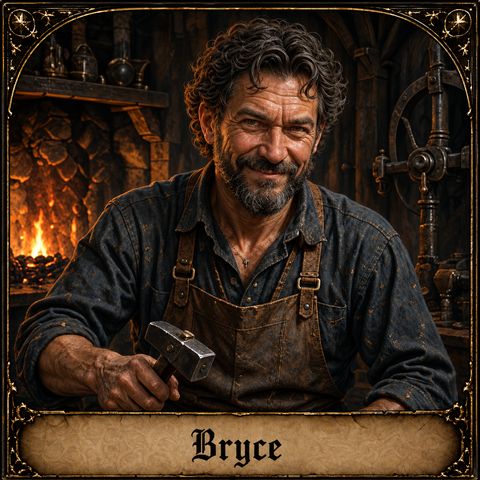
Portrait of Bryce, the craftsman, at his anvil.
BryceCraftsman
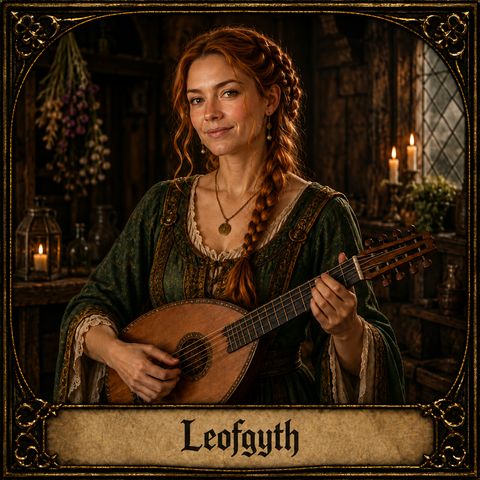
Portrait of Leofgyth, the bard, playing a lute.
LeofgythBard
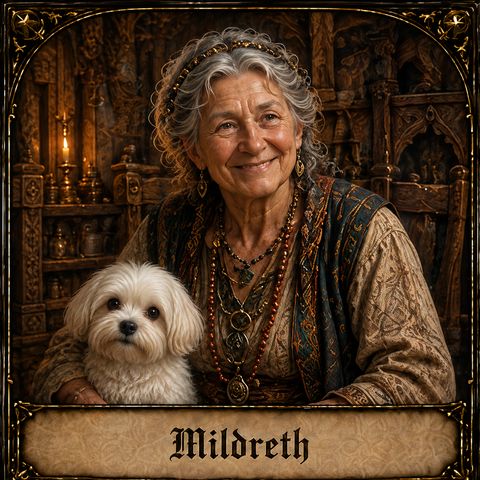
Portrait of Mildreth, the elder, with a small white dog.
MildrethElder
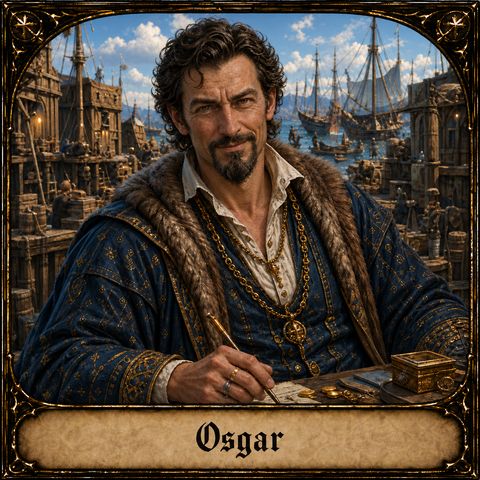
Portrait of Osgar, the merchant, at his ledger.
OsgarMerchant
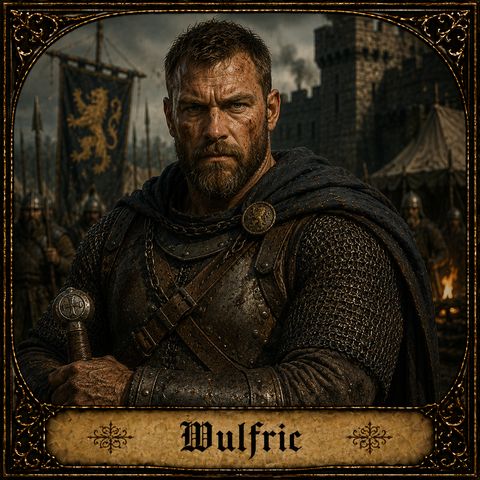
Portrait of Wulfric, the soldier, in mail.
WulfricSoldier

How it ends

No single win. Thirteen endings.

When the last quest closes, the game reads the life you’ve led — your standing with the masters, your bonds with the villagers who survived, the person you trained yourself to be — and shows every ending you’ve earned.

Most lives end with more than one. What will Wulfmere remember about you?

  • Chieftain of Wulfmere
  • The Church’s Voice
  • The Oracle’s Heir
  • Lord of the Valley
  • The Quiet Light
Wulfmere's chieftain, a woman seated on a carved wooden chair beside the standing stone, with the villagers gathered before her.